Did you know about the Library Juice Academy Grant offered by the Massachusetts Library System (MLS)?
MLS member library staff are eligible to apply for a grant to learn about topics like archives administration, cataloging and technical services, coding, diversity, leadership and management, library instruction, user experience, youth services, and more.
Visit the Library Juice Academy Grant LibGuide to learn more and apply for a grant.
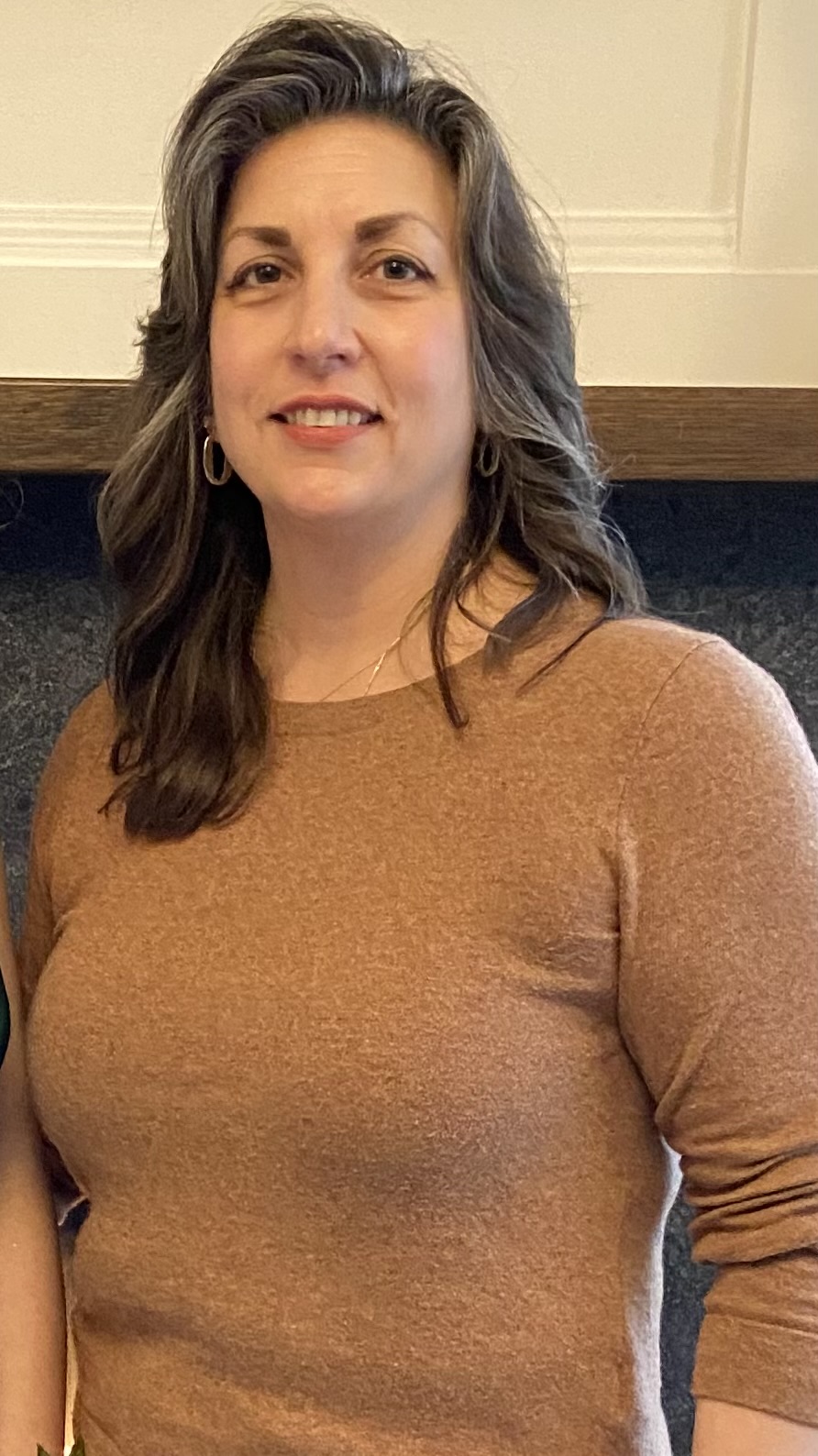
Today, we’re spotlighting Andrea Hogan, who shares her experience with the grant program.
What is your name and position, the name of your library, and the community/communities your library serve(s)?
Andrea Hogan: My name is Andrea Hogan, senior library associate in charge of Interlibrary Loan at the Reading Public Library. We serve the town of Reading and are part of the NOBLE network.
How did you first learn about the Library Juice Academy Grant?
Hogan: I read about it in the MLS newsletter.
Why did you choose to pursue this grant opportunity?
Hogan: I was excited to have the opportunity to expand my knowledge about cataloging. I work in tech services, and another facet of my job involves processing and entering books into the catalog.
I always like to have a full understanding of any task I undertake. Cataloging has many facets to it and would be immediately applicable to my day-to-day tasks. Library Juice Academy provided the means for me to increase my skill set and become a more valuable employee.
What has your learning experience been like?
Hogan: My learning experience has been quite varied. Some courses are more challenging than others and some aspects of cataloging are more abstract than the copy cataloging that I am more familiar with.
I enjoy seeing the content that I have learned show up in the materials that I interact with. Also, I work with two librarians whose expertise is cataloging, so it’s nice to understand some of their discussions about an item. I have been able to participate in these talks to a degree, although I am not even close to being able to toss around Dewey numbers or MARC fields like they are! I do aspire to it, though.
How have you used your learning from the grant in your work?
Hogan: I used it to reclassify the nonfiction in the Dewey 200s. I have done a few reclassifying projects in my library and have used the knowledge from the courses to decide the new Dewey numbers and to guide me in the process.
I also use it when I am creating MARC records for our library of things materials. Again, we do copy cataloging, but it is helpful to understand what those fields mean and why they must be formatted the way they are.
Do you have any advice for other library staff who may be interested in this grant program?
Hogan: My advice would be to take full advantage of these grants and learn a new skill or brush up on a topic. I was a teacher before I worked in a library so, for me, any opportunity to learn is one worth taking and these grants make that very accessible.
Is there anything else you’d like to share?
Hogan: I am the treasurer of the Paralibrarian Section of the Massachusetts Library Association (MLA) and we have our own certification. The grants from Library Juice Academy are an excellent way to earn the points needed to get a paralibrarian certification at no cost.
Any paralibrarians should come to one of our monthly meetings and learn more about us and how to use Library Juice Academy grants to develop your career path.